Updated 17 Nov 2026
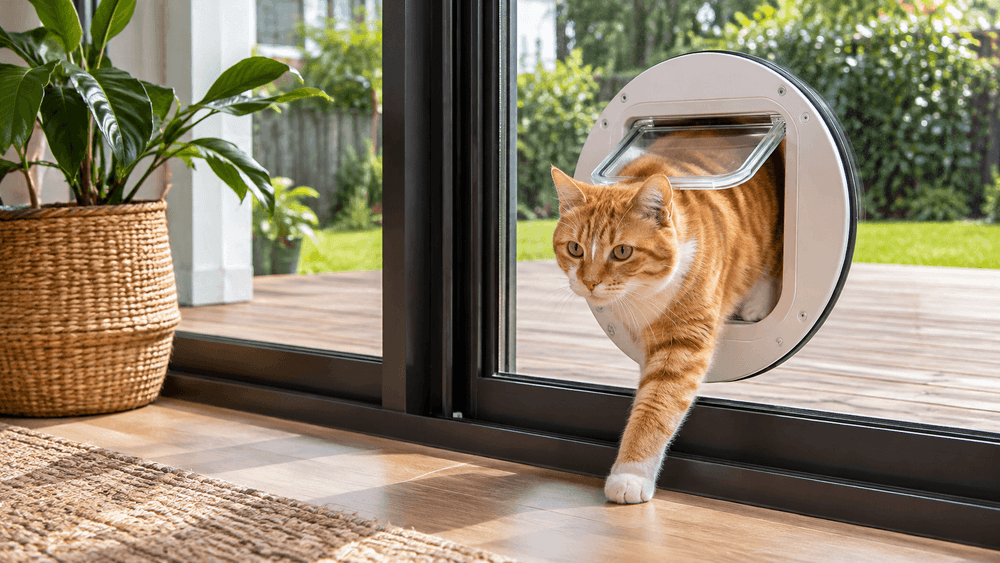
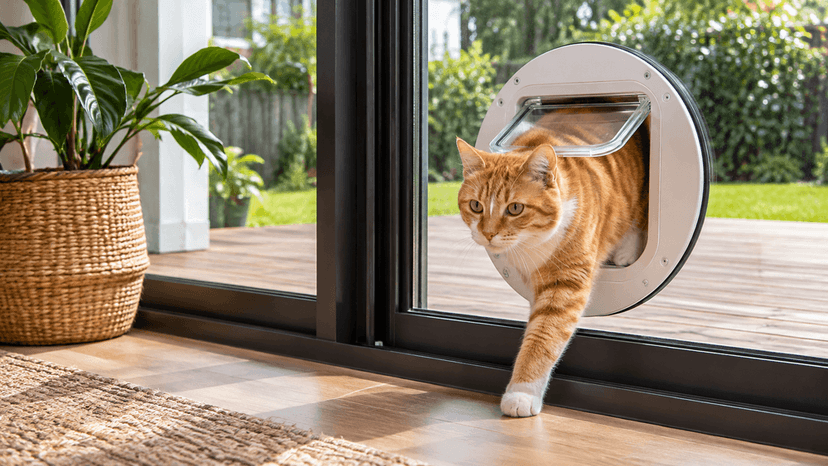
Yes. A cat door can go into almost any glass door or window in a New Zealand home, including ranch sliders and double glazing. What changes is the method. Ordinary single glazing can often be cut on site. Toughened safety glass and double-glazed units can't be cut at all, so the glazier orders a new pane or unit made with the hole already in it.
That difference is why one household pays under $200, and another pays over $1,000 for what sounds like the same job. This guide covers how to tell what glass you have, what each option costs in 2026, and what to sort out before you ask for quotes.
Prices are guide figures published by NZ glaziers and pet door installers, checked in November 2026. More detail is in the cost section below.
You don't need to be certain before asking for quotes, but two quick checks help:
As a rule of thumb, most ranch sliders and glass doors are safety glass, because that's where people are most likely to fall against the pane. NZS 4223.3:2016, the NZ standard for human impact safety, covers glazing within 2,000mm of floor level, which is exactly where a cat door goes. Your glazier will work to it, and it's the reason they may insist on new safety glass rather than cutting what's there.
Yes, but not into the unit you already have. Double glazing is two panes sealed around an insulating gap. Cut into it, and the seal is gone, along with the insulation, and you'll get condensation between the panes.
Instead, the job runs like this:
Expect two visits and a wait in between while the unit is made. Ask for the lead time when you get your quote.
You only replace the glass, not the door or the joinery, provided the frame is in good condition.
If the budget is tight, some NZ glaziers will swap the double-glazed unit in one small panel for single safety glass with the cat door fitted. It costs less than a new double-glazed unit, but you lose the insulation in that panel. It makes most sense for a small lower pane in a back door or laundry, less so for a big lounge slider. Ask your glazier whether it suits your home.
A little, whichever glass you have. The new unit is still sealed, but the flap itself is a small gap in your insulation. A door with a brush or magnetic seal makes a real difference, and it matters more in Dunedin, Queenstown or Central Otago than it does in Auckland.
Usually, yes. Ranch sliders need a bit more thought than a hinged door because one panel slides past the other.
Note that some microchip models aren't recommended for sliding panels at all, so confirm the model with your installer before you buy.
There's no national standard rate, but several NZ glaziers and installers publish guide prices. As of November 2026:
The spread on double glazing is mostly panel size. A small pane in a back door sits at the low end. A full-height ranch slider panel sits at the top.
If you're buying the cat door yourself, standard glass-fitting models such as Catwalk and Pet-Corp run from about $80 to $140 at NZ retailers, and a microchip glass-fitting door is around $265 and up.
What pushes the price up
Before you accept a quote, check it covers: the cat door itself, the new glass, fitting, GST, and taking the old glass away.
Want a price for your own door? Post your job on Ezy Peazy with a photo of the glass and compare offers from local providers.
Choose before any glass is ordered. Once the unit is made, the hole size is fixed.
Sizes are from the manufacturer and NZ supplier specifications. Your glazier will confirm before ordering.
Standard or microchip? A standard 4-way locking door is cheaper and needs no batteries, but when it's unlocked, any cat in the street can use it. A microchip door reads your cat's existing microchip and only opens for registered pets. If the neighbour's tom keeps eating your cat's biscuits, it pays for itself fairly quickly.
One tip from NZ supplier Glasscorp: for a new standard installation, a 267mm hole gives you room to upgrade to a magnetic door later without replacing the glass again.
It can be. A small single-glazed window is a much smaller piece of glass than a slider panel, so the new pane costs less. A fixed glass panel beside the back door is another good candidate.
Check three things first: the cat can reach it safely from both sides, the window doesn't need to open and close past the cat door, and it isn't somewhere that makes the house easier to break into.
Fitting the cat door into a pane that already has the hole is a reasonable DIY job. Cutting the hole isn't. Ordinary glass can crack partway through the cut, toughened glass shatters completely, and a double-glazed unit is ruined the moment it's cut. For the glasswork, use a glazier.
Also remember the hole is permanent. If you remove the cat door later, that pane has to be replaced again.
Get your landlord's written consent before anything is cut. A cat door is a permanent change to the property.
It's also worth knowing the pet rules changed on 1 December 2025. Tenants now need the landlord's written consent to keep a pet unless the tenancy agreement already allows it, and landlords can charge a pet bond of up to two weeks' rent. If you're asking for pet consent anyway, ask about the cat door at the same time.
Tradies can price the job far more accurately with:
If you don't know the glass type, just say so. A glazier can usually tell from a good photo.
How many visits does it take? One for ordinary single glazing, where the hole is cut and the door fitted on the spot. Two for toughened glass or double glazing: one to measure, and one to fit the new glass once it has been made. Ask for the manufacturing lead time with your quote, as it varies by glazier.
Do renters need permission for a cat door in NZ? Yes. Cutting or replacing glass is a permanent change, so you need the landlord's written consent. Since 1 December 2025, you also need written consent for the cat itself unless your tenancy agreement already allows pets, and the landlord can ask for a pet bond of up to two weeks' rent.
What happens if I remove the cat door later? The hole can't be repaired. The pane or double-glazed unit has to be replaced again, so choose a small panel where possible, as it's cheaper to replace than a full slider panel.
The easiest way to find out what your own job will cost is to show the glass to people who do this every week.
Post your cat door installation job for free on Ezy Peazy, add a photo of the door or window, and mention the cat door you have in mind. Local providers send you offers, and you can compare their profiles, ratings, and reviews before you choose. If the job needs a site visit to measure the glass, you can request a callout.
Then your cat can come and go as it pleases, and you can retire as doorman.

SEO and Content Strategist
Sakshi Partani is an SEO and Content Strategist at Ezy Peazy, creating practical guides that help Kiwis navigate everyday home and property jobs. She combines SEO expertise with research and real-world insights to deliver clear, useful content on services, costs, and finding the right help.