Updated 30 Sep 2026
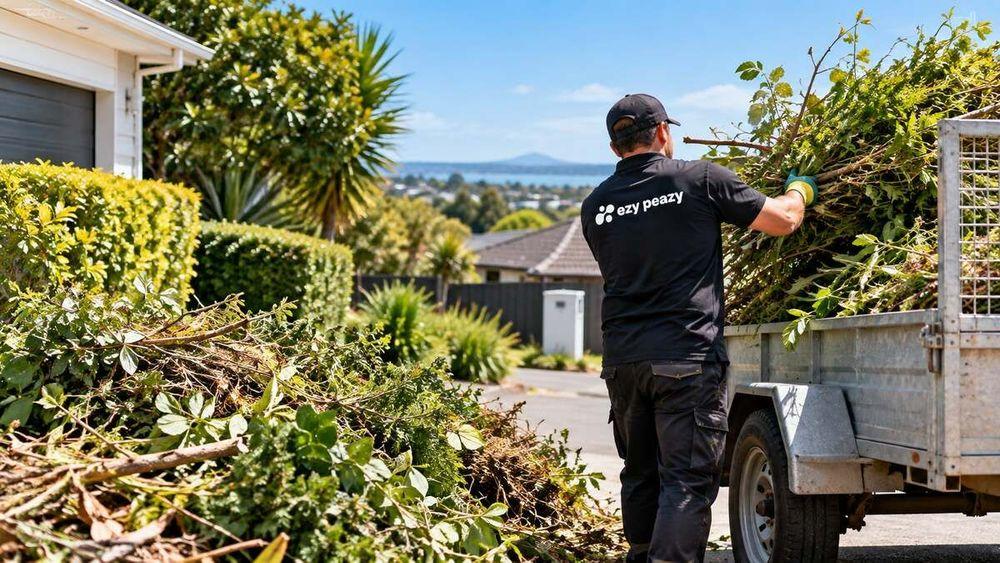
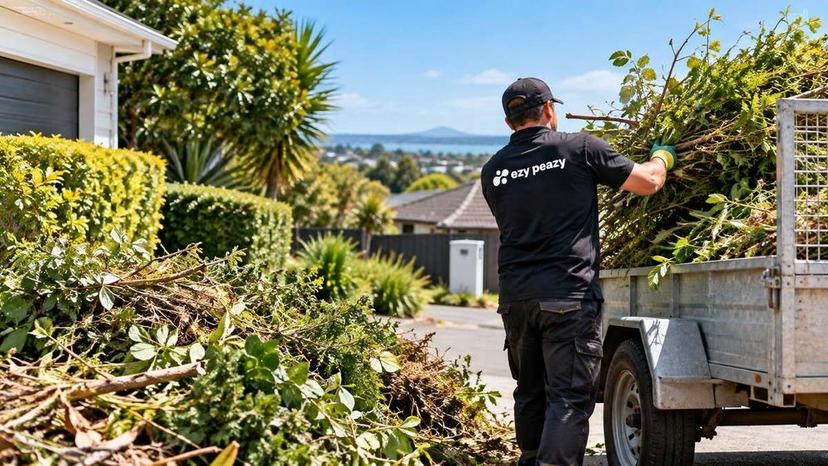
A weekend spent trimming hedges, cutting back trees or clearing an overgrown garden can leave you with one awkward problem: what do you do with all the waste afterwards?
A few bags of leaves may fit in your green bin. But a driveway full of branches, a large pile of hedge clippings or several cubic metres of green waste is a different story. You may need a trailer, multiple trips to a transfer station, and time to load and unload it all.
That is where a garden waste removal service can help. A local professional can collect the waste, load it into their vehicle, and take it to an appropriate disposal facility, saving you the hassle of doing the heavy lifting and transport yourself.
Garden waste removal in New Zealand can cost around $50–$150 for a small collection, $150–$300 for hedge or tree-pruning waste, and $300–$600+ for a large pile or several cubic metres of green waste.
The final price depends on the volume and type of waste, access to the pile, loading time, travel distance and disposal requirements. If you want the most accurate price, post a garden waste removal job with photos of the pile and access route.
The cost of garden waste removal can vary significantly because no two garden clean-ups are the same. A few bags of leaves beside the driveway are much quicker to remove than a large pile of branches at the back of a steep section.
The following ranges are based on completed Ezy Peazy garden waste removal tasks and should be treated as a guide rather than fixed rates.
These are completed task prices, not fixed rates. Your quote may be higher or lower depending on the amount of waste, where it is located on the property, whether it is already stacked, and the disposal method required.
If you are unsure whether something can be included, add it to your job description and photos before accepting a quote.
Garden waste removal is usually priced according to the size and complexity of the job, rather than a fixed price per bag or kilogram. Green waste is bulky, and two piles with a similar weight can take up very different amounts of room in a trailer, ute or van.
Volume is one of the biggest cost factors. A few bags of leaves or grass clippings may be a quick collection, while a pile of branches can take up a large amount of vehicle space.
You do not need to measure everything precisely. It is usually enough to describe the pile in practical terms, such as:
Photos are even more useful because they give the professional a better idea of the pile’s size and shape.
Not all garden waste is equally easy to load or dispose of. Grass clippings, leaves and small hedge trimmings are relatively compact, while long branches, palm fronds, bamboo and flax can take up more space than expected.
When posting your job, list the main materials involved. For example, you could write:
“Large pile of hedge clippings, palm fronds and small branches. The pile is beside the driveway and ready to load.”
If your garden waste is mixed with old pots, plastic bags, general rubbish, soil, treated timber or construction materials, mention this clearly. You may need a broader rubbish removal service rather than green-waste-only collection.
A pile beside the driveway is much faster to load than one at the back of a property with a narrow side path, stairs or steep access.
Access can have a noticeable effect on your quote, especially if the professional needs to carry branches and clippings a long distance to their vehicle. When requesting quotes, mention:
Clear access details help avoid unexpected changes to the agreed price.
Garden waste removal is not only about transport. The waste still needs to be gathered, carried and loaded.
A neatly stacked pile beside the driveway may be quick to collect. Loose clippings spread across a backyard, however, can take considerably longer. If the waste still needs to be gathered from several areas of the garden, include that in your task description.
If you need help with the work that created the pile as well as the removal, consider booking garden maintenance, hedge trimming or tree pruning as part of the job.
Your location can affect the final price because travel time, local disposal options and transfer-station charges vary across New Zealand.
A garden waste collection in a central urban area may be quicker to complete than one outside town or at a property with difficult access. When requesting quotes, include your suburb, photos and clear access details so local professionals can price the job accurately.
After collection, garden waste needs to be taken to an appropriate green-waste facility, transfer station or disposal site.
Accepted materials and disposal charges can vary between facilities. Green waste such as leaves, grass clippings, weeds, hedge cuttings and untreated branches may be accepted differently from mixed rubbish, plastic pots, treated timber, soil, rocks or construction waste.
If you are unsure whether something can be included, add it to your job description and photos before accepting a quote.
Garden waste removal is not the only option. The right choice depends on how much waste you have, whether you can transport it yourself, and whether the waste will be created all at once or over several days.
A green bin can work well for routine gardening. A transfer station can be a practical option if you have a trailer or ute and only need to make one trip.
However, hiring someone for garden waste removal can make more sense when the pile is already large, access is difficult, you do not have a suitable vehicle, or you simply do not want to spend your weekend loading and unloading green waste.
A skip bin may suit a longer landscaping or renovation project, but for a single pile that is already ready to go, collection and removal can be simpler. If your waste includes household items as well as garden waste, compare rubbish removal options before booking.
A little preparation can make the collection easier and help you receive more accurate quotes.
If possible, stack loose clippings, branches and bags in one accessible place. It does not need to be perfectly organised, but keeping the material together can reduce loading time.
Try to place the pile close to the driveway or a clear access path where safe and practical. Avoid blocking footpaths, drains or vehicle access.
Remove obvious non-green-waste items where possible, including:
Mixed loads can require different disposal arrangements and may increase the price. If you need both green-waste and household-item removal, make that clear when you post a rubbish removal job.
Tell the professional how they will reach the pile. Mention whether there is a clear path to the driveway, a narrow side gate, stairs, steep ground, or a long carry from the backyard.
Good access information helps local professionals quote accurately and arrive prepared.
You do not need to know the exact number of cubic metres. A practical description can be enough, such as:
“One large pile of hedge clippings and branches beside the driveway, around one trailer load.”
Or:
“Several bags of leaves and weeds at the back of the property. There is a narrow side path and approximately 20 metres to carry the waste.”
Photos are particularly important for medium and large jobs. Include:
When you post your job with photos, local professionals can assess the work more accurately before making an offer.
If you only have a few leaves or grass clippings, a green bin, compost heap or transfer-station trip may be the easiest option.
Hiring someone is usually worth considering when the waste is too bulky, time-consuming or awkward to move yourself. Garden waste removal may be a good option if:
Garden waste removal in New Zealand often starts at around $50–$150 for a small collection. Medium jobs, such as hedge clippings or pruning waste, may cost around $150–$300, while large garden clear-outs can cost $300–$600+.
The final price depends on the amount and type of material, access, loading time, travel, and disposal requirements.
For a small collection of a few bags, $50–$100 is a considerable price range. The final quote will depend on the number of bags, your location, whether the bags are ready for collection, and whether other materials are included.
A large garden waste pile can cost around $300–$600+, especially when it includes several cubic metres of branches, hedge clippings or mixed green waste.
At this size, the job is less about picking up a few bags and more about vehicle capacity, loading time, travel and disposal. Include photos and a rough size estimate when requesting quotes.
It depends on the job.
A skip bin can be useful when you are producing garden waste over several days and have space for delivery. Garden waste removal is often more convenient when you already have one large pile ready to collect and want someone else to do the loading and transport.
When comparing options, consider the skip-bin delivery, hire period, collection, material restrictions, and any disposal charges. For a one-off pile, garden waste removal can be the simpler option.
Garden waste removal typically includes collecting and transporting the agreed waste, but inclusions can vary by task and quote.
Before accepting an offer, confirm whether loading, transport and disposal are included. This is especially important if the pile includes mixed materials such as plastic pots, household rubbish, soil, timber or construction waste.
Do not assume these materials can be included in a standard garden-waste removal job. Soil, rocks, plastic pots, treated timber, household rubbish and building materials may need different disposal arrangements.
List all materials in your job description and add photos so the professional can quote correctly. For mixed loads, post a rubbish removal job instead of describing the task as green waste only.
Garden waste can build up quickly. What starts as a quick weekend hedge trim can leave you with a pile of clippings, branches, and weeds that will not fit in the household bin.
If you have a large or awkward pile to deal with, find local help with garden waste removal. Add photos, describe the type and approximate amount of waste, explain the access, and compare offers from nearby professionals.

Founder, Ezy Peazy
Sumit Sharma is the Founder and CEO of Ezy Peazy, with first-hand experience in New Zealand’s home services and local tasking industry. He writes about home services, local trades, pricing, and how Kiwis find reliable help, drawing on his experience building and running Ezy Peazy.