Updated 23 Sep 2026
A tidy hedge can make a big difference to the look and feel of a Kiwi property. It can give you privacy from the neighbours, define a boundary, shelter parts of the garden from the wind and make the whole section look more cared for.
The trouble is that hedges don't stay tidy for long. A few missed trims can turn a manageable garden job into a weekend-long project, particularly when the hedge is tall, thick or has grown well beyond the shape you originally wanted.
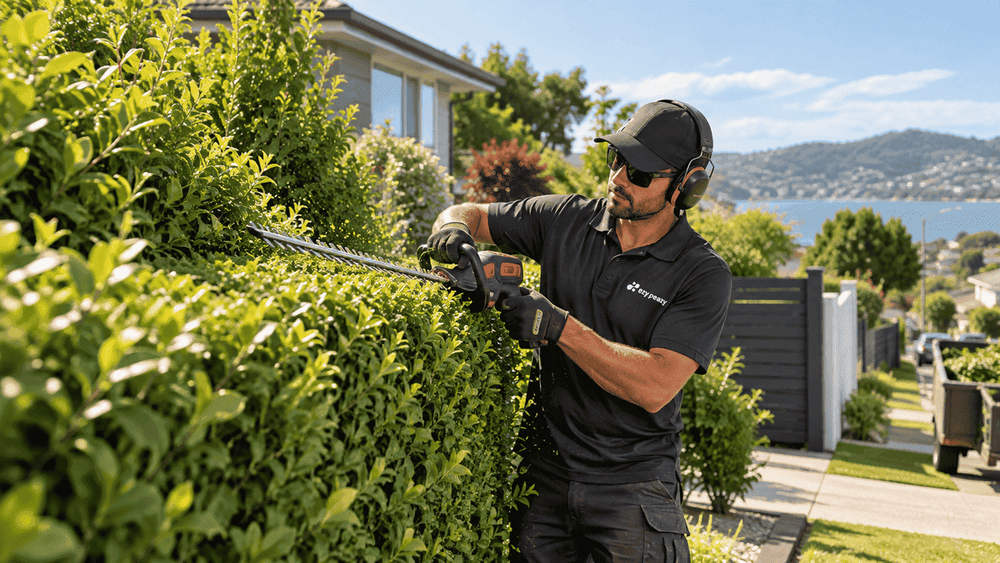
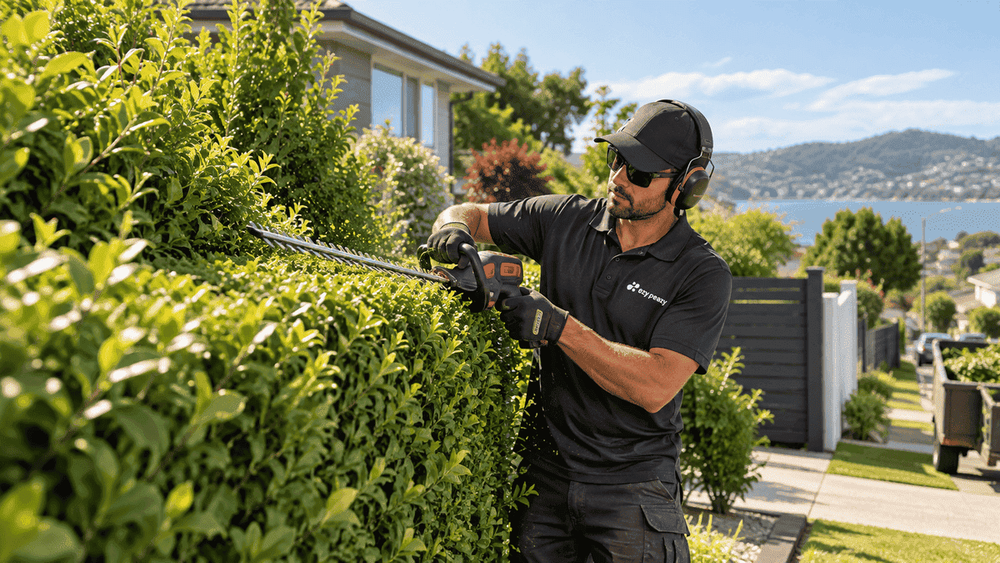
If your hedge is starting to take over the footpath, block a window, or simply look like it's had enough of being ignored, professional hedge trimming services can take the job off your hands. Here's what to know before you hire someone.
Hedge trimming can mean different things depending on the size, type, and condition of your hedge. A regular maintenance trim might simply tidy new growth, while an overgrown hedge may need much more substantial cutting back.
A hedge trimming specialist can typically help with:
The work involved can vary quite a bit. Trimming a waist-high hedge around a front garden is relatively straightforward compared with bringing a tall, dense boundary hedge back under control.
It’s worth being specific when describing the job. If you're posting through Ezy Peazy, mention roughly how long and tall the hedge is, how much you want cut back, whether access is easy, and what you'd like done with the clippings. Adding a few photos can also give local gardeners a much clearer idea of what they're quoting for.
There isn't a single price for hedge trimming. The cost can vary considerably depending on the size of the hedge, how much needs to be cut, access to the property, and whether green waste needs to be taken away.
As a useful guide, here are examples from recently completed hedge-related tasks on Ezy Peazy:
These are examples of completed Ezy Peazy jobs rather than fixed prices or guaranteed quotes. They show why it’s difficult to give one standard rate for hedge trimming. A $120 trim and a $300 trim can both simply be described as "hedge trimming", but the amount of work involved can be very different.
Hedge length: A 5-metre hedge will generally take less time to trim than a 20-metre boundary hedge. If you have hedges in several parts of the property, include all of them when describing the job.
Hedge height: Height is one of the biggest practical considerations. A low hedge can usually be reached easily, whereas a tall hedge may require long-reach equipment or additional access equipment.
Amount of growth: A hedge that gets a regular tidy-up is very different from one that's been left untouched for several seasons. Dense, woody or heavily overgrown growth can take considerably longer to bring back into shape.
How much you want removed: A light trim around the existing shape requires less work than reducing a hedge significantly in height or width. If you're trying to bring the hedge back below a fence line or clear a window, say so when posting the job.
Access: A hedge beside a fence, retaining wall, driveway, or narrow side passage can be harder to work on than one that's accessible from both sides. Sloping sections can also make the job more involved.
Hedge type: Different plants grow at different rates and respond differently to pruning. Dense hedges and plants with thicker or woody growth may require more time and suitable equipment than softer, easier-to-cut growth.
Green waste: Don't forget about what happens after the cutting is finished. A substantial hedge trim can leave a surprisingly large pile of branches and leaves. If you want the clippings collected and taken away, make that clear when getting an offer. One completed Ezy Peazy job for hedge trimming and green-waste removal was $300, showing how disposal can form part of the overall job rather than being an afterthought.
Other garden work: Sometimes the hedge isn't the only thing that needs attention. You might also want the lawn tidied, garden beds weeded, or other shrubs trimmed while someone is already working on the property. If you're combining jobs, list everything upfront so the professional can price the full scope rather than adding work unexpectedly on the day.
Because Ezy Peazy lets customers post their requirements and receive offers from local professionals, you can share these details upfront and compare offers rather than relying on a generic price guide.
The right trimming frequency depends on the hedge you're growing and how you want it to look.
Fast-growing hedges may need several trims during the growing season to stay neat, while slower-growing varieties can go longer between jobs. A hedge grown specifically for privacy doesn't necessarily need the same level of precision as a formal hedge where you want a very straight top and clean sides.
Your local conditions matter too. A hedge growing vigorously through a mild, wet season can put on plenty of growth, while exposed or colder sections may behave differently.
Rather than waiting until the hedge has become difficult to manage, regular lighter trims can keep it closer to the size and shape you want. This can also make each job more manageable.
If you're finding it difficult to keep up with hedge maintenance alongside everything else that comes with owning a home, you can use Ezy Peazy to find local gardeners for one-off trimming or ongoing garden maintenance.
Before posting a hedge trimming job, spend a few minutes working out exactly what you want done. You don't need to know the technical name of the hedge or understand professional pruning methods. What matters is giving the gardener enough practical information to understand the job.
Give an approximate height, particularly if the hedge is taller than head height. If it needs to be brought down substantially, mention the height you'd like it to finish at.
For example, "trim to roughly fence height" is much more useful than simply saying "cut the hedge".
You don't need an exact measurement. A rough estimate is enough to help someone understand the scale of the work.
If you have a long boundary hedge, explain whether it runs along the front, side or rear boundary and whether both sides need trimming.
Think about whether you're after a maintenance trim or a more substantial cutback.
If the hedge has become too wide and is taking over a path, say that. If it's blocking a window or growing over a fence, mention it. If you simply want the existing shape tidied up, make that clear too.
This distinction matters because "trim my hedge" could mean anything from removing a few centimetres of new growth to substantially reducing an overgrown hedge.
Look at what's around it. Is there a clear path to the hedge? Can someone comfortably work on both sides? Is there a fence, retaining wall, garden bed, or driveway in the way?
If the hedge is on a slope or in an awkward corner of the section, include that information. Photos are particularly useful here.
This is one of the easiest things to overlook.
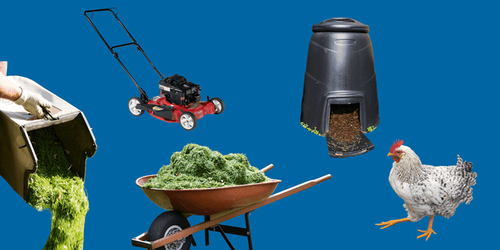
A large hedge can produce more green waste than you might expect. If you've got a green-waste bin, composting setup, or space on the property for the cuttings, let the gardener know. If you want everything loaded up and taken away, make that part of the job description.
Being clear about disposal upfront helps avoid confusion over what is and isn't included in the price.
If you have a formal hedge, you may want a straight top, even sides, or a particular height. For a more natural privacy hedge, you may simply want it brought back to a manageable size.
If you're unsure what would work best, say that too. A local gardener can often advise on how much growth should be removed and what will give the hedge a tidy result without taking it further back than necessary.
If your hedge has simply got away from you, a one-off cut may be all you need. If it grows quickly and you don't have the time to maintain it, regular trimming may make more sense.
When posting on Ezy Peazy, explaining whether you're looking for a one-off job or ongoing help can make it easier to find someone suited to what you need.
There's a big difference between giving a small garden hedge a quick trim and trying to bring a tall, dense boundary hedge back under control.
If you're reaching above your head, working from a ladder or dealing with thick growth that requires substantial cutting, it's worth considering whether the job is better left to someone with the appropriate equipment and experience.
This is particularly relevant for tall hedges around driveways, retaining walls and sloping sections, where access can make the work more difficult.
An overgrown hedge can also produce a considerable amount of waste. What looks like a straightforward Saturday job can quickly become several hours of cutting, dragging branches, loading the trailer, and figuring out where everything is going to go.
For a large or difficult hedge, posting the job on Ezy Peazy gives you a way to describe the work, receive offers from local gardening professionals and compare the options before choosing someone to take it on. Ezy Peazy's platform also lets customers review profiles and offers before choosing the person they feel is the right fit for the job.
A hedge doesn't have to become completely overgrown before you ask for help. Whether you need a regular tidy-up, a substantial cutback or help dealing with the mountain of green waste afterwards, getting the right person in through Ezy Peazy can save you a lot of time and leave your section looking much better for it.

Founder & CEO, Ezy Peazy
Sumit Sharma is the Founder and CEO of Ezy Peazy, with first-hand experience in New Zealand’s home services and local tasking industry. He writes about home services, local trades, pricing, and how Kiwis find reliable help, drawing on his experience building and running Ezy Peazy.