Updated 12 Jan 2026
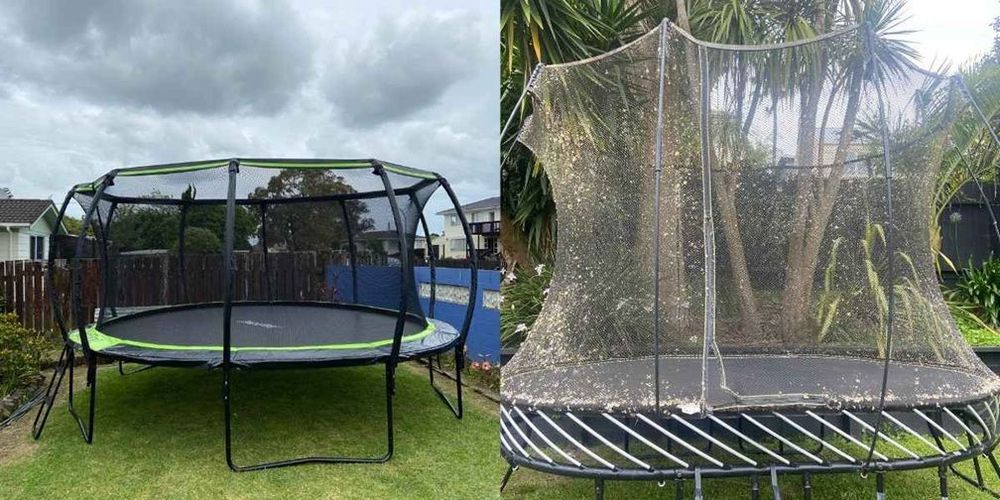
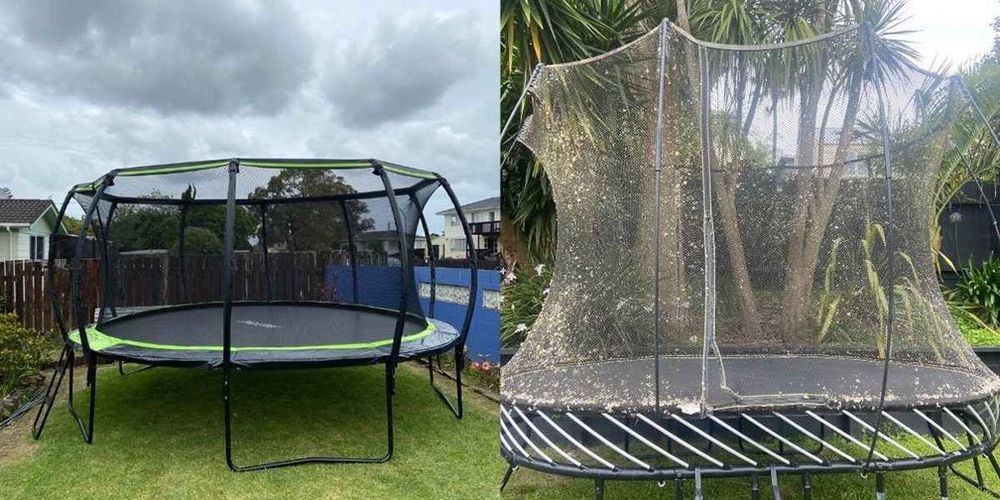
Picture this: two families in your neighbourhood - one’s trampoline is still going strong after several squally winters and backyard birthdays, while next door, the bargain buy’s already on its last legs, rusting with its net torn to shreds.
So, what sets pricey trampolines apart from the rest?
Spending a bit more up front can mean fewer headaches, superior safety, and many more years of fun, while cheaper options may be the way to go if you have young tamariki who won’t wear out the springs so quickly.
If you’ve ever wondered whether paying more for a trampoline is worth it, you’re not alone. Most premium trampolines in NZ clock in at at least $900, while budget models can be picked up for as little as $150. It’s a big price range - and it can be hard to know what choice to make.
That’s why we’ve compiled this guide, where we dive into the key things you should consider when you’re in the market for a new tramp, including:
And if you feel daunted by the thought of assembling your new trampoline yourself once you’ve made your choice, Ezy Peazy has you covered with a range of comprehensive, low-cost assembly services.
When you buy a trampoline, you’re really investing in how long the fun lasts.
Premium trampolines routinely offer 5–10+ years of bounce time, while cheaper models (think $100 to $300) sometimes last just 1–3 years before parts start failing or rusting out.
The toughest test? The changeable weather here in Aotearoa New Zealand. Our mix of intense UV, torrential rain, coastal seaspray, and unpredictable wind isn’t kind to backyard gear.
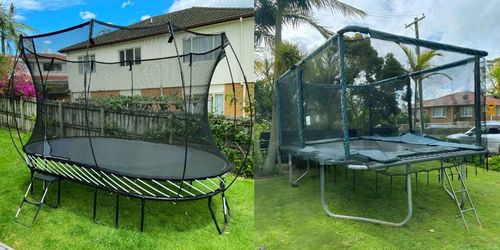
Trampolines at the higher end of the cost spectrum tend to use heavy-duty, galvanised steel frames that are rust resistant, even in beachside suburbs with salty air. This is coupled with mats and nets that feature UV-resistant coating and tougher stitching, standing up to long-term sun exposure without splitting, peeling or disintegrating.
Budget tramps, on the other hand, are often cheaper due to thinner, less durable steel and plastics, plus low-quality nets and padding that can tear, sag and become brittle after just a few windy Wellington winters or scorching hot Canterbury summers.
With trampolines, there are big safety gaps between budget and premium models. Sometimes these are obvious, other times not so much. For Kiwi families, it’s worth knowing what features are genuinely worth prioritising for your kids.
Your trampoline isn’t just for fun, it’s for building cherished childhood memories. Investing in a model built with safety at the centre not only means peace of mind, but fewer injuries, tears and tumbles.
So, what makes a trampoline safe? Here’s a rundown:
You’ll find many premium brands are ASTM or TUV certified. These aren’t just labels, they mean the products have survived serious pressure tests.
In New Zealand, names like Springfree and Vuly put their money where their mouth is when it comes to safety.
Want to learn more about how top brand names stack up? Read our practical guide weighing up SpaceJump, JumpFlex and Springfree.
Cheap trampolines can be tempting but nearly always come with:
Ask around, and you’ll hear similar stories like the ones below:
When it comes to family safety, what you pay upfront often dictates the protection you get down the line. And at the end of the day, peace of mind is priceless.
When you spend more, what you’re really paying for is long-term confidence. Higher-end trampolines often come with at least 5-10 year - or even lifetime - frame warranties, plus NZ-based after-sales support, making ordering spare parts and arranging repairs a breeze.
On the other hand, budget models usually offer minimal 1 year coverage and can be difficult or nearly possible to find replacement parts for.
A top-notch trampoline means less hassle and fewer headaches over the years - although they do still require some upkeep.
Here’s the maintenance you can expect based on your price range:
Key takeaway: Before settling for the cheapest option, think about how many years of bounce-time you want out of your trampoline - and how much hassle you’re keen to dodge down the track.
Finding a cheap deal might feel savvy - but the constant patch-ups and replacements add up fast, often making a high-end trampoline cheaper in the long run.
You’re eyeing up a new trampoline for the kids, but the prices swing wildly - from about $100–$300 for a basic model to $900+ for a premium setup. What gives?
With budget trampolines, you’re paying for:
A premium trampoline’s price tag includes:
While $1,200 for a premium trampoline might seem like a big initial outlay, it’ll likely last at least 8 years, costing you just $150 a year (often less with a warranty).
A $250 cheapie might seem like a steal, but if you’re needing to replace it every two years, it could end up costing you $750+ over a decade, not counting lost weekends and grumpy kids. When you weigh it up, the cheaper option doesn’t seem like such a bargain.
And, if you’re thinking about onselling once the kids have left home, higher-quality trampolines hold their value - fetching a good price on TradeMe even after several years. Conversely, you could have trouble reselling your budget model - especially if it's taken a beating from years of use. Bad news for your wallet and the environment.
Every Kiwi family wants outdoor gear that can handle epic backyard summers - and wild winter squalls.
When it comes to trampolines, spending more up front often means less waste, less worry, and more years of safe, stress-free bouncing for your whānau.
Check out our other blog which compares some of NZ’s top brands for a deeper dive into what you can expect to pay for higher-end trampoline models.
There’s no doubting it - step onto a premium trampoline, and you’ll notice the difference straight away. The mats offer a smoother, quieter experience, and every landing feels cushioned and stable.
With budget models, expect:
A major drawcard for premium trampolines is their impressive weight limits - often 150kg and up. If you’ve got a couple of boisterous teens, or the whole whānau likes to join in, here’s what you should keep in mind:
“I wasn’t keen on telling my teens they had to take turns, so I spent extra for peace of mind. It was the best decision yet,” says Wellington dad Mike.
It pays to think about who will be using the trampoline most: big kids, the whole whānau, or just little ones?
With an expensive trampoline, clear instructions and well-made parts mean setup can take as little as 90 minutes.
But sometimes, your experience can be soured from the get-go. Budget models often come with confusing instructions (or none at all), mismatched parts and a higher chance that you’ll need help (which, if you’re calling out a pro, could cost you $100-$200).
A $200 trampoline looks like a bargain—until you’re three hours deep with missing bolts, and the instructions are a mystery.
Plus, high-end trampolines don’t just bounce better - they keep their shape, resist UV fade, and look better in the garden. No unsightly rips, sagging mats or rusted frames spoiling the look of your lawn.
Need some help selecting the perfect fit for your backyard? Check out our guide to choosing the right trampoline size and type for your family.
There are moments when spending less makes sense. If you just want a trampoline for a single summer, a birthday party, or have very young kids under six who won’t be putting much stress on the frame, a budget option could do the job.
For some folks, the temptation of a $150 trampoline from The Warehouse is hard to beat, especially if you’re not worried about resale or long-term use.
Many Kiwi whānau find themselves searching for the “cheapest trampoline” during Boxing Day sales, hoping to keep costs down.
That said, compare the trade-offs up front so you’re not caught out down the line. The risks that come with the cheap-and-cheerful models are real:
If your trampoline is mainly for toddlers who bounce gently, or is headed to the curb in a year, the risk may feel worth it.
If you’re going for an affordable trampoline, make sure these essentials are non-negotiable:
Thinking about a trampoline for your backyard? Safety, longevity, aesthetics. There’s a lot to weigh up!
Here’s a side-by-side breakdown to help you see exactly what you’re paying for. This table is your “NZ trampoline cheat sheet”—snap a pic, bookmark it, or use it while shopping online.
| Attribute | Expensive Trampoline | Cheap Trampoline |
| Price | $900+ (high-end) | $100–$300 |
| Safety | Superior, tested, innovative | Basic, minimal |
| Durability | 5–10+ years, long warranty | 1–3 years, short warranty |
| Maintenance | Minimal, rare repairs | Frequent parts and fixes |
| Long-Term Value | High, less spend overall | Low, mounting costs quickly |
| User Experience | Stable, quiet, attractive | Wobbles, noisy, looks cheap |
| Weight Limits | 120–250kg (many users) | 50–100kg (one child, maybe two) |
| Environmental | Less waste | More landfill |
When you want trusted advice on which brand suits your whānau, have tricky installation questions, or want to know what to double-check before buying, explore our dedicated sub-pages for brand reviews, assembly tips, and an NZ buyer checklist.
The big lesson here: A cheap trampoline might save cash up front, but an expensive one saves time, arguments, and replacements in the long run.
Choosing the right trampoline for your Kiwi backyard isn’t just about price, it’s about peace of mind, safety, and years of fun. When you look beyond the sticker price and consider durability, safety, and genuine long-term value, investing wisely pays off for you and your whānau.
Ready to get your new trampoline?
Every family - and every backyard is different - so make the choice that’s right for yours. When you invest in quality, you’re not just buying a trampoline—you’re investing in years of laughter, memories, and safety.
Need help putting your new trampoline together? Ezy Peazy has you covered with convenient trampoline assembly services - wherever you are in the country.
From assembling smaller tramps in suburban Auckland to putting together a heavy duty trampoline in rural Christchurch - there’s always someone for the job with Ezy Peazy.
Ezy Peazy is a simple, innovative platform that connects Kiwis across New Zealand with skilled taskers to help get a range of household tasks done. From general repairs and cleaning to gardening and deliveries, Ezy Peazy makes it straightforward and convenient to find trusted local help - wherever you are in the country. Founded in 2019, our mission is to empower people to realise the value of their skills and connect them with others who need a helping hand. With transparent reviews, competitive pricing and a user-friendly experience, Ezy Peazy is transforming the way odd jobs are completed - quickly, affordably and reliably. Posting a job is easy, safe and free - and there’s no obligation to accept any quotes you receive.

Ezy Peazy Editorial Team
The Ezy Peazy Editorial Team creates practical, research-backed guides for Kiwis looking to get everyday jobs sorted. Our content draws on marketplace insights, customer experiences, service data and industry research to explain costs, hiring considerations, common problems and practical solutions across home and property services in New Zealand.